
No products in the cart.
Uncategorized
Here are a few options for an H1 that fit your requirements: **Stock Up Without Breaking the Bank: Your Guide to Buying Bulk Ammo** **Bulk Ammo 101: How to Save Big on Your Next Ammo Order** **Why Buying Bulk Ammo Is the Smartest Move for Shooters** Running out of ammunition right in the middle of a range session is frustrating, and buying bulk ammo is the simplest way to keep your shooting flowing without constant stops. By purchasing a large quantity of cartridges in one box or case, you lower the cost per round and always have a ready supply for practice, plinking, or zeroing your firearm. You simply store the sealed containers in a cool, dry place, then grab handfuls for your magazines or loading tray whenever you head out—no need to ration your shots or make extra trips to the store.
Here are a few options for an H1 that fit your requirements:
**Stock Up Without Breaking the Bank: Your Guide to Buying Bulk Ammo**
**Bulk Ammo 101: How to Save Big on Your Next Ammo Order**

**Why Buying Bulk Ammo Is the Smartest Move for Shooters**
Running out of ammunition right in the middle of a range session is frustrating, and buying bulk ammo is the simplest way to keep your shooting flowing without constant stops. By purchasing a large quantity of cartridges in one box or case, you lower the cost per round and always have a ready supply for practice, plinking, or zeroing your firearm. You simply store the sealed containers in a cool, dry place, then grab handfuls for your magazines or loading tray whenever you head out—no need to ration your shots or make extra trips to the store.
Why Buying Ammunition by the Case Saves You More Than Money
Buying bulk ammo by the case saves you more than money because it locks in consistent performance across every practice session. When you purchase a single case, every round comes from the same production lot, meaning same lot ammunition delivers uniform velocity and point of impact. This consistency eliminates the frustrating shift in zero you get when switching between boxes from different batches, making your training far more effective. Beyond accuracy, a full case ensures you never run dry mid-range day, keeping your muscle memory sharp without rationing precious rounds. This uninterrupted practice builds true proficiency, which is far more valuable than the cash discount. You also save time, avoiding repeated trips to the store, and you save peace of mind, knowing your ammunition supply is secure and ready for any extended session or match.
How Per-Round Costs Drop When You Purchase in Higher Volumes
The price-per-round curve bends sharply downward as you move from 6.8 SPC Ammo for Sale boxes to cases. Manufacturers and retailers price bulk ammo by the case at a lower marginal rate because fixed costs—packaging, per-unit handling, and shelf restocking—are spread across hundreds of rounds instead of twenty. A typical 20-round box might run $0.60 CPR, while a 500-round case often lands near $0.45 CPR, a 25% drop. That gap widens with 1,000-round cases, sometimes reaching $0.38 CPR. The sequence is straightforward:
- Compare the per-box price against the case price for the exact same load.
- Divide the case total by its round count to get the true CPR.
- Confirm the savings exceed shipping and storage costs.
Higher volumes also reduce freight per round—shipping one heavy case costs less per unit than shipping five separate boxes, further driving the CPR down.
Reducing Per-Trip Range Fees and Shipping Waste with One Large Order
Consolidating your ammo purchases into one large bulk order directly slashes how often you pay range entry fees, because you’re hauling enough rounds to justify fewer trips—maybe even skipping the .35 Remington Ammo for Sale range entirely for a focused zeroing session. That single box shipment also means less cardboard, tape, and diesel fuel wasted on multiple small deliveries, stacking up to real savings. *If you time your order to overlap with a free-shipping promo, the environmental and financial win feels almost accidental.* You stop babysitting the mailbox and start shooting more, not driving more, which is the whole point.
The Hidden Value of Locking in a Price for a Single Lot of Cartridges
When you buy a single lot of cartridges in bulk, you’re not just grabbing a deal—you’re freezing your cost against future price hikes. That one purchase locks in a per-round rate that stays consistent across every box in that lot, so your budget doesn’t drift mid-storage. More importantly, a single lot means identical headstamps, primers, and powder charges, which gives you repeatable accuracy at the range. You won’t have to re-zero your optic when you switch boxes. Locking in bulk ammo pricing per lot also protects you from supply spikes later, letting you train or hunt without stressing over next month’s tag.
- Price stability: You pay today’s rate, not next season’s unknown cost.
- Consistent ballistics: Same lot means same point of impact, shot after shot.
- Simple inventory: One lot number makes tracking shelf life and performance easy.
What to Check Before You Stock Up on a Large Quantity of Rounds
Before committing to bulk ammo, scrutinize the lot number and manufacturing date stamped on the case, ensuring it isn’t old stock that may have suffered from poor storage. Verify the primer and powder type match your firearm’s requirements—steel-cased rounds, for instance, can wear extractors faster in some platforms. Check the ammunition’s velocity and bullet weight against your barrel’s twist rate; a mismatch harms accuracy. Inspect a few samples from the case for corrosion, loose primers, or dented casings, and confirm the sealant on primers and case mouths is intact for long-term shelf life. Always test a small batch from the same lot before buying thousands. Ask yourself: “Does this lot cycle reliably in my gun under rapid fire?” If not, walk away—bulk savings vanish when you’re stuck with unusable ammo.
Matching Bullet Grain Weight and Casing Material to Your Firearm’s Needs
Before committing to a bulk purchase, verify that the bullet grain weight matches your firearm’s documented twist rate and intended purpose; a 55-grain load in a 1:7 twist barrel may under-stabilize, while a 77-grain round in a 1:12 twist risks poor accuracy and pressure spikes. Similarly, casing material affects chambering, extraction, and reloading lifespan—brass offers consistent resizing and corrosion resistance, steel is cheaper but can wear extractors and expand more unevenly, and aluminum is single-use with softer necks. Your owner’s manual or barrel stamp provides the definitive limits. Matching bullet grain weight and casing material to your firearm’s needs prevents malfunctions, excessive fouling, and wasted stock that cannot be safely fired in your specific setup.
Identifying the Right Caliber for Your Rifle, Pistol, or Shotgun in Bulk Lots
Before committing to a bulk lot, verify that the exact cartridge designation matches your firearm’s stamped chamber, not just the bore diameter. A .308 rifle cannot fire 7.62×51 interchangeably in all platforms, and a 9mm pistol may reject +P loads. For shotguns, the gauge and shell length (e.g., 12-gauge 2¾”) must align with the receiver’s ejection port. Check the headstamp on a sample round against the manufacturer’s spec, and confirm bullet weight (grain) suits your barrel twist rate. Ignoring these specifics risks feeding failures, pressure signs, or a locked bolt—wasting your investment and damaging your gun.
How to Inspect Lot Numbers and Packaging for Consistent Performance
Before you commit to a bulk ammo purchase, check the lot number consistency on every box—mismatched numbers mean mixed production runs, which can shift point of impact between batches. Inspect the packaging for crushed corners, torn seals, or loose primers rattling inside, as these signal rough handling that can deform rounds. Look for moisture stains or rust speckles on the cardboard, since humidity damages powder and primers .32 ACP Ammo for Sale over time. Also, verify the lot stamp is legible and matches on all inner trays and outer cases—if a dealer mixes lots to fill an order, ask for a single-lot crate instead.
How to Store Large Quantities of Cartridges to Keep Them Reliable
When you buy bulk ammo by the case, the first rule is to keep it in its original factory boxes, stacked in a cool, dry place like a basement shelf away from water pipes. I learned this after a humid summer ruined two thousand rounds of 9mm—corrosion crept into primers, and the dull clicks at the range told me everything. For long-term storage, seal the cases in heavy-duty Mylar bags with desiccant packs, then place them in airtight plastic totes, never directly on concrete. Temperature swings are your enemy, so aim for a stable 55–70°F environment; a closet with an interior wall works better than a garage that bakes in July. Rotate your stock by shooting the oldest boxes first, marking each tote with a purchase date. The real secret is that ammo doesn’t expire—it waits for you to treat it badly. A cheap hygrometer inside the tote will tell you if moisture creeps above 30%, at which point you add fresh silica or move everything upstairs.
Controlling Humidity and Temperature for Long-Term Ammo Preservation
For bulk ammo, temperature stability matters more than absolute coolness, as extreme swings create condensation that corrodes primers and cases. Keep stored cartridges in a climate-controlled space, ideally between 55–75°F, and never in an attic or uninsulated garage where daily temperature cycling occurs. Humidity is the greater enemy: maintain 30–50% relative humidity using desiccant packs or an electric dehumidifier, and seal cases in airtight, ammo-specific containers with a hygrometer inside to verify conditions. Avoid basements prone to dampness unless you use a vapor barrier. 6.5x57R Ammo for Sale Check containers seasonally, replacing desiccants before they saturate.
For bulk ammo longevity, stabilize temperature and .338 Lapua Ammo for Sale hold humidity between 30–50% with sealed containers, desiccants, and seasonal checks—preventing condensation is the core of preservation.
Using Ammo Cans, Desiccants, and Rotation Schedules Properly
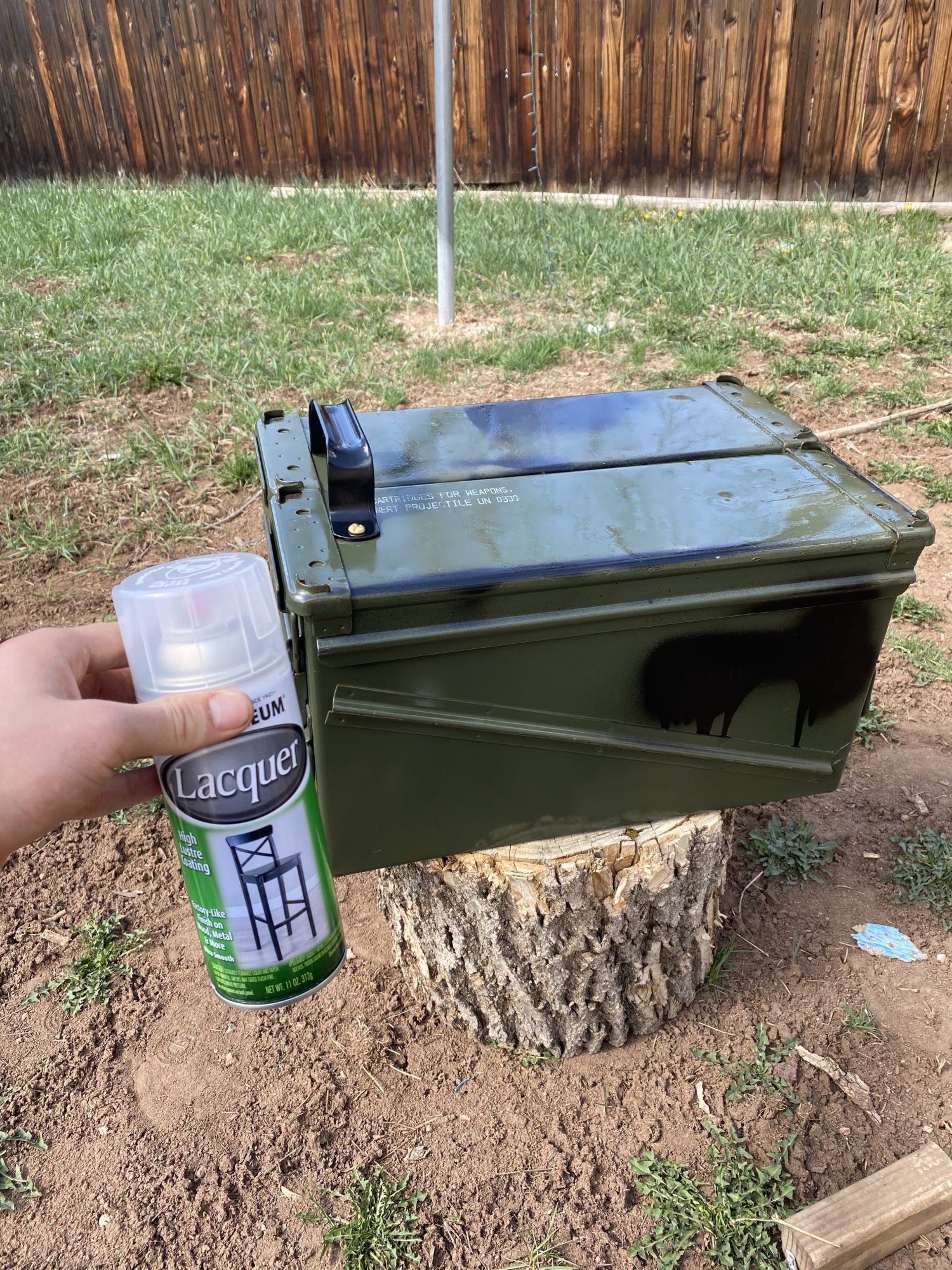
For bulk cartridge storage, proper ammo can management begins with selecting https://specialtysportsandsupplyltd.com/ metal cans with intact rubber gaskets; line each with a desiccant pouch to absorb residual moisture before sealing. Rotate stock using a “first-in, first-out” system—label cans with purchase date and lot number. To execute correctly:
- Place desiccant at the can’s bottom, not atop cartridges, to prevent condensation pooling.
- Seal lids only after ammunition reaches room temperature to avoid trapping humid air.
- Recharge or replace desiccants every six months, or immediately if indicator cards show humidity above 10%.
Annual rotation prevents degradation from propellant breakdown, so pull older cans for range use and restock with fresh boxes, always re-drying the can interior before reloading.
Signs Your Stored Rounds Have Gone Bad—and How to Spot Them Early
Before you ever pull .32 Win Special Ammo for Sale the trigger, inspect your bulk ammo for **signs your stored rounds have gone bad**. Corrosion appears as green or white crust on the brass or primer, often from temperature swings. A loose bullet that spins or seats deeper with thumb pressure means the case mouth has lost its grip. Dark, powdery residue around the primer pocket signals propellant breakdown. Crimped or flattened primers hint at pressure issues, but you spot these only by rotating samples monthly.
- Check for tarnished, discolored cases—early oxidation precedes failure.
- Rattle the cartridge; a shifting bullet indicates compromised seal.
- Smell for acrid, vinegar-like odors from degrading powder.
- Look for dented or split necks that 6.5×55 Swedish Ammo for Sale expose the charge.
Practical Ways to Work Through a Big Ammo Purchase Without Waste
To avoid waste with a bulk ammo purchase, first segregate your stock by lot and firearm, then adopt a rotation system where older rounds are used first. Start with a “zeroing session” to confirm your optic holds, burning through 50–100 rounds per gun to establish a baseline, then shift to controlled drills—like magazine-change reps or cadence work—that consume ammo purposefully rather than plinking randomly. Track your expenditure in a logbook, matching it to a training plan so every box serves a skill. If surplus remains, dedicate it to malfunction clearances or weak-hand practice, which historically gets skipped. Q: What is the single fastest way to burn bulk ammo without waste? A: Pair every 100 rounds with a specific, measurable drill—like a 5-yard Bill Drill—so each shot has a performance goal, not just a noise target. This turns volume into progression, leaving you with skill instead of empties.
Building a Balanced Training Routine That Uses Different Loads Efficiently
To avoid burning through your bulk ammo in a single weekend, build a balanced training routine that cycles loads by purpose. Start by dedicating 60% of each session to your primary Ammunition for Sale defensive or competition load, ensuring your muscle memory locks onto its exact recoil impulse and point of impact. Then, use cheaper or older bulk FMJ for drill-volume work—draws, reloads, and malfunction clears—where precision matters less than repetition. Finally, rotate slow-fire precision shots with match-grade or premium rounds to confirm zero and refine trigger control. This sequence prevents waste:
- Warm up with low-recoil, inexpensive loads for 10–15 minutes.
- Transition to primary-load high-intensity drills for 30 minutes.
- Finish with zero-check using premium rounds, logging how each lot performs.
By segregating loads by task, you stretch every case and keep skills sharp without depleting your best ammo first.
Blending Practice, Zeroing, and Self-Defense Rounds in One Inventory
When you buy bulk ammo, blending practice, zeroing, and self-defense rounds into one inventory keeps things simple without waste. Start by designating a few boxes for zeroing—those are your sight-in rounds, shot slowly to confirm your point of aim. Then, use cheaper practice ammo for the bulk of your reps, saving your defensive hollow points for monthly reliability checks in your carry gun. That way, every round has a job, and you never burn through pricey carry ammo on drills that don’t need it. Just rotate your stock so the oldest defensive rounds get shot first, keeping your inventory fresh and your skills sharp.
Setting a Monthly Round Budget to Make Your Stash Last Longer
Setting a monthly round budget is the most direct way to ensure your bulk purchase doesn’t evaporate in a single range trip. Start by dividing your total bulk ammo count by the number of months until your next planned purchase, then commit to that fixed number as your monthly ammunition allowance. Track each session’s expenditure in a simple log or app, subtracting fired rounds from that month’s allocation immediately. If a competition or class requires more, borrow from the next month’s budget rather than exceeding the cap. This forces conscious pacing, making your stash last predictably and preventing panic-driven hoarding or waste.

Common Mistakes Shooters Make with High-Volume Ammo Orders
When ordering bulk ammo, the most common mistake is fixating solely on the round count and ignoring the cartridge’s actual pressure curve, which can lead to purchasing hot-loaded batches that wear out your firearm prematurely. Another frequent error is failing to verify the projectile’s construction—buying thousands of rounds of full metal jacket for defensive drills means you’ll train with a recoil impulse and terminal behavior that don’t match your carry load. Shooters also routinely skip function-testing a sample box from the new lot before committing to the entire 6.5x57mm Mauser Ammo for Sale case, only to discover dimensional inconsistencies or hard primers that cause stoppages mid-session. Bulk orders magnify logistics issues, so always calculate your storage environment’s humidity tolerance before stacking five thousand rounds in a garage. Finally, do not mix old and new batches of the same caliber in one magazine, as varying powder burn rates can cause unpredictable point-of-impact shifts that ruin your zero confidence. Always chronograph a fresh case’s average velocity and inspect case neck tension on a random sample to avoid wasting both money and range time.
Overbuying Obscure Cartridges That Your Gun Rarely Eats
Jumping on a deal for an obscure caliber like 5.45×39 or .30 Carbine because it’s dirt cheap creates a classic trap: you stockpile hundreds of rounds for a gun that stays in the safe. Before you chase that bargain, ask yourself how often you actually shoot that firearm. Overbuying obscure cartridges that your gun rarely eats means your cash is locked into ammo that’s hard to resell, finicky to store, and often requires special mags or parts to run reliably. Stick to high-volume ammo orders for calibers you burn through monthly. If you must buy exotic, follow this sequence:
- Calculate your realistic annual round count for that specific gun.
- Verify the ammo’s availability for swapping or future trades.
- Resist bulk deals unless the price beats your primary caliber by 40%.
Ignoring Recoil and Muzzle Velocity Differences Across Bulk Offerings
When you grab a massive case of ammo because the price per round looks unbeatable, it’s easy to forget that not all bulk offerings are created equal. Ignoring recoil and muzzle velocity differences across bulk offerings means you might switch from a soft-shooting 115-grain load to a snappy 147-grain batch, and suddenly your follow-up shots are slower and your zero drifts at distance. Bulk deals often bundle whatever lot is available, so consistent point of impact isn’t guaranteed—your rifle or pistol will feel and shoot differently with each pallet. Before you commit to a case, check the box’s stated velocity and grain weight; a cheap buy that kicks harder or drops faster can ruin your practice session and waste your savings. Stick to one spec for training, and you’ll avoid nasty surprises at the range.
Forgetting to Compare Brass, Steel, and Aluminum Cases for Your Firearm
When you order bulk ammo, forgetting to compare brass, steel, and aluminum cases can lock you into thousands of rounds that your firearm may not cycle reliably. Brass expands to seal the chamber, extracts smoothly, and is reloadable, but it is the priciest per round. Steel cases, often with a lacquer or polymer coating, are cheaper and magnetic, which can accelerate extractor wear and jam in tight chambers when dirty. Aluminum cases are lightweight, non-reloadable, and can stick after rapid fire due to poor expansion. A firearm tuned for brass may fail to eject steel or aluminum, turning a cost-saving bulk buy into a malfunction drill. Always test a sample box of each case type before committing to a full case order.

